



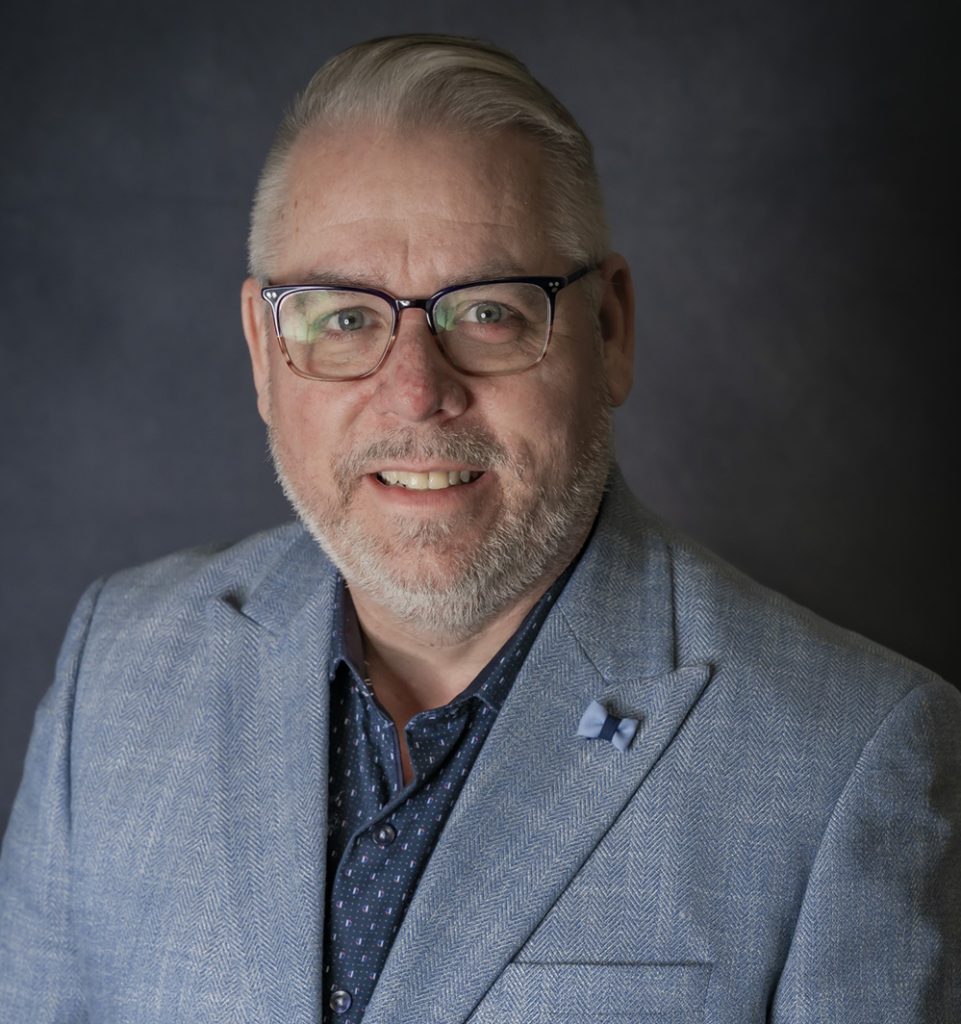
South Peace News presents a series of question-and-answer features from elected local government leaders to explain goals and issues in the coming year. School division board chairs were asked a series of questions. Kelly Whalen is the longtime board chair of Holy Family Catholic Regional Division.
FROESE: Looking ahead to 2026, what do you want to see accomplished, why and how?
WHALEN: Looking ahead to 2026, our focus continues to be strengthening Catholic education.
Our goal is to ensure every student, from early childhood services through Grade 12, receives high-quality education that meets Alberta Education’s standards while forming the whole person academically, spiritually, socially and emotionally.
This school year also brings renewed opportunity with new leadership in the Division. We are excited to be working with our new superintendent, Victoria Cornick, and deputy superintendent, Lauri Goudreault. Their leadership brings fresh energy and a continued focus on student success, strong Catholic identity in our schools and building on the many strengths already present in our division.
We will continue working closely with Alberta Education, our staff, families, parishes and community partners to ensure our schools remain vibrant places of faith learning and opportunity for students across the Peace region.
FROESE: What are the top priorities, projects, issues?
WHALEN: Our top priorities remain student learning, faith formation and ensuring our (Division and staff) offers meaningful opportunities for all students.
As a Catholic school division, faith is not separated from education, it permeates everything we do.
From curriculum delivery to the culture of our schools, we strive to ensure that Catholic values and teachings help shape how our students learn, grow and serve their communities.
Another priority is continuing to provide strong educational opportunities for students in rural northern communities. We want students to have access to a wide range of learning experiences, including strong academic programming, career and technical studies, extracurricular activities and pathways that prepare them for post-secondary education, trades or the workforce.
Supporting and retaining excellent teachers and staff also remains a key focus as strong educators are the foundation of strong schools.
The Division has also focused on long-term facility planning through its three-year capital plan. Our top priority remains a replacement school building for St. Andrew’s School in High Prairie followed by a modernization of Good Shepherd School in Peace River.
These projects are important to ensure our students continue to learn in safe, modern learning environments that support their academic and faith development.
FROESE: What are the key things to move the school division forward to be sustainable and grow in the future?
WHALEN: Sustain- ability in rural school divisions comes with strong relationships, thoughtful planning and advocacy.
We will continue advocating for equitable rural funding so students in northern communities have the same opportunities as those living in urban centres.
Rural schools are vital to the health and stability of our communities and maintaining strong local schools supports families across the region.
Partnerships are essential. As a Catholic school division, we work closely with our local parishes and bishops and with the Alberta Catholic School Trustees’ Association (ACSTA) to support and strengthen Catholic education across the province.
As president of the ACSTA, I’m proud to represent Catholic school divisions from across our province, including Holy Family Catholic Regional Division. Serving in this role provides an opportunity to help ensure that the perspectives of rural Catholic education communities are heard and considered at the provincial level.
FROESE: What are the biggest challenges facing Holy Family in a northern rural region with stagnant or declining population and enrolment and how will the Division overcome them?
WHALEN: Like many rural regions, demographic changes can influence enrolment and long-term planning.
However, we also see this as an opportunity to focus on the strengths of rural education. Our schools offer supportive learning environments where students are well known, relationships are strong and staff can focus on individual student success.
These are qualities that many families deeply value. By continuing to provide strong programming, maintaining excellent staff and ensuring families understand the value of Catholic education, we can continue to build strong stable schools that serve our communities well into the future.
FROESE: What are some of the most challenging things about your role as board chair?
WHALEN: One of the most challenging aspects of being board chair is ensuring that the board carefully balances long-term sustainability with the immediate needs of students, staff and communities.
Trustees are responsible for governance and setting the strategic direction for the Division and those decisions carry significant responsibility.
At the same time, it is incredibly rewarding.
Supporting Catholic education and helping guide the future of our schools while ensuring they remain places where faith, learning and service come together, is both an honour and a privilege.
FROESE: What are some of the biggest challenges the school division faced in 2025?
WHALEN: Like many school divisions across Alberta, we continued navigating financial pressures while ensuring that strong programming and supports remained in place for students.
At the same time, we focused on maintaining high educational standards, strengthening the faith life of our schools and supporting staff who work every day to provide excellent learning environments for students. Through collaboration and careful stewardship, our Division continues to remain stable and focused on student success.
FROESE: What was the most unexpected thing the school division had to deal with in 2025?
WHALEN: Education is constantly evolving and school divisions must remain adaptable as new provincial initiatives, student needs and opportunities arise.
What stands out most is the resilience and dedication of our teachers, staff and school leaders. When challenges arise, our schools consistently respond with professionalism, creativity and a strong commitment to supporting students.
FROESE: Any other comments to add?
WHALEN: Holy Family Catholic Regional Division plays an important role in communities across the Peace region.
Our schools are more than places of learning, they are communities where students grow academically, spiritually and socially.
We are proud to provide publicly-funded Catholic education and grateful for the continued support of families, parishes and our broader communities.
Looking ahead, our focus remains clear – strengthening Catholic identity in our schools, supporting student success and ensuring that rural communities continue to have strong and vibrant Catholic schools for generations to come.
Richard Froese
South Peace News