





South Peace News presents a series of question-and-answer features from elected local government leaders to explain goals and issues in the coming year.
School division board chairs were asked a series of questions.
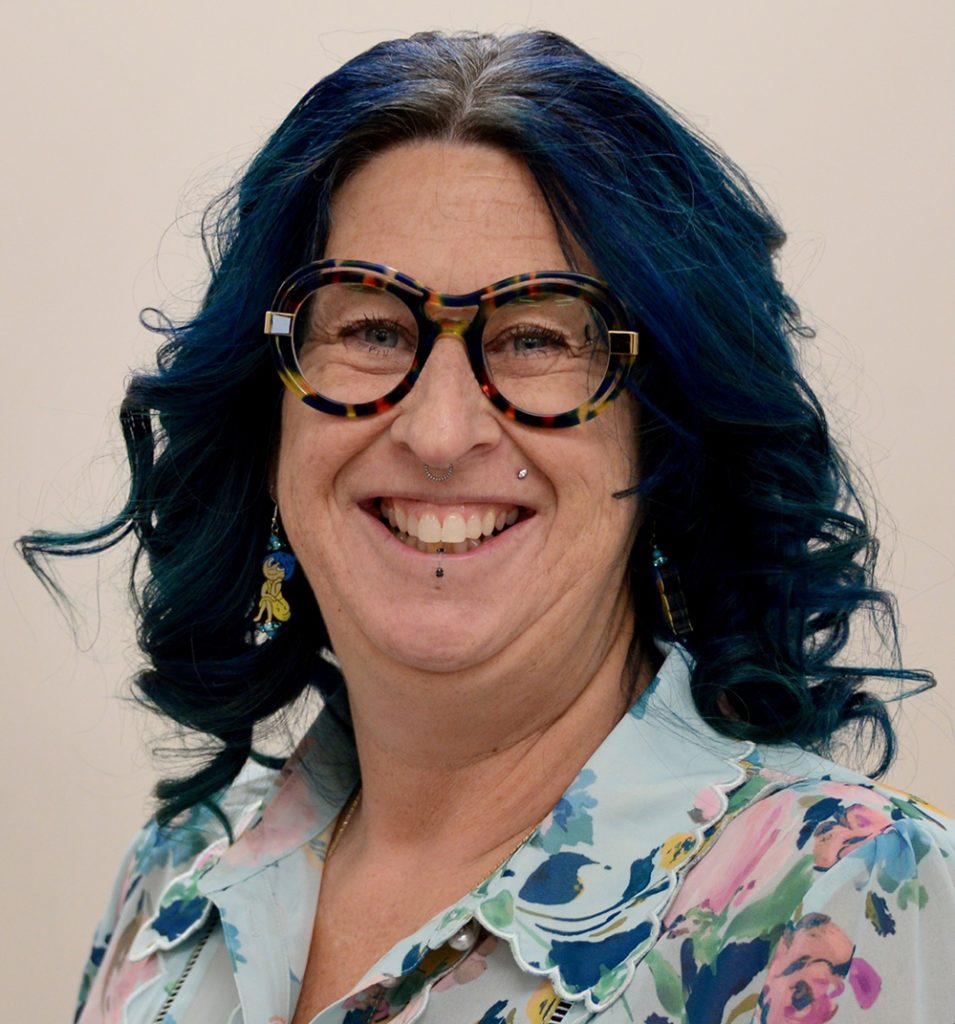
Joy McGregor is the board chair of High Prairie School Division.
Question 1 – Looking ahead to 2026, what do you want to see accomplished, why and how?
McGregor – Our focus heading into 2026 is steady improvement in literacy and numeracy, stronger high school completion rates and ensuring our schools remain welcoming, caring, respectful and safe learning environments.
We also continue to prioritize citizenship as a key measure of student growth.
We will achieve this through consistent instruction, targeted supports, strong mental health partnerships and meaningful engagement with our community.
Question 2 – What are the top priorities, issues?
McGregor – Our priorities remain literacy, numeracy, stakeholder engagement and mental health.
A major capital focus continues to be the modernization of Georges P. Vanier School in Donnelly.
We are also expanding our dual-credit and career pathways while advocating strongly for rural Alberta, particularly in areas such as mental health access, transportation safety and preserving local governance.
Question 3 – What are the key things to move the school division forward to be sustainable and grow in the future?
McGregor – Sustain- ability in northern Alberta means giving students relevant real-world pathways that connect directly to our region.
Through our Always Growing vertical farm in High Prairie, students are earning micro-credentials, Career and Technical Studies (CTS) credits and dual credits in partnership with Olds College while gaining hands-on experience in modern agricultural and food systems.
Our hydroponic farm operates year-round, allowing students to participate regardless of the season and it supports food sovereignty through donations to the High Prairie and District Food Bank, our school salad bars and selling products in the community.
Combined with our expanded collegiate model and industry-aligned micro-credentials, we are building clear pathways into agriculture, skilled trades, health care and business.
When students see opportunity here at home, that strengthens both our schools and our communities.
Question 4 – What are the biggest challenges facing the school division in a northern rural region with stagnant or declining population and enrolment and how will the division overcome them?
McGregor – Declining enrolment, staffing pressures and limited access to mental health services are significant rural challenges.
We continue to advocate for equitable funding and timely mental health supports in our communities.
At the same time, we are focused on improving literacy and numeracy skills and expanding career pathways so students see opportunity right here in northern Alberta.
Question 5 – What is the most challenging things about your role as board chair?
McGregor – One of the greatest challenges is balancing provincial mandates with local realities.
Trustees are legally responsible for governance and stewardship, yet rural divisions face unique recruitment, funding and service challenges.
Advocacy is a key part or our role, ensuring rural voices are heard and that local governance is respected.
Question 6 – What are some of the biggest challenges the school division faced in 2025?
McGregor – The provincial teachers’ strike had a significant impact on our community of learning this school year.
As a board, we also navigated complex labour discussions and ultimately ratified a CUPE agreement with our bus drivers to the mutual satisfaction of all parties.
Question 7 – What was the most unexpected thing the school division had to deal with in 2025?
McGregor – The provincial teachers’ strike was certainly one of the most disruptive and unexpected events of the year.
It required adaptability, strong communication and steady leadership.
We also saw how quickly labour dynamics can shift provincially, reinforcing the importance of preserving local governance and decision-making authority.
Question 7 – Any other comments to add?
McGregor – Our board conducted its annual strategic planning session March 4-6.
With a newly elected board, we will be reviewing relevant data, examining critical issues facing the division and setting direction for the coming years.
Community consultations continue to play a major role in shaping that direction.
Feedback we receive directly influences our priorities and we take that responsibility seriously.