





Richard Froese
South Peace News
Wildfire season in Alberta is over for another year and property owners are requested to be cautious when winter burning.
Fire permits are not required for burning in the Forest Protection of Alberta from Jan. 1 to Feb. 28, states a news release dated Nov. 1 by Slave Lake Forest Area information officer Leah Lovequist.
The information also applies to the Peace River Forest Area.
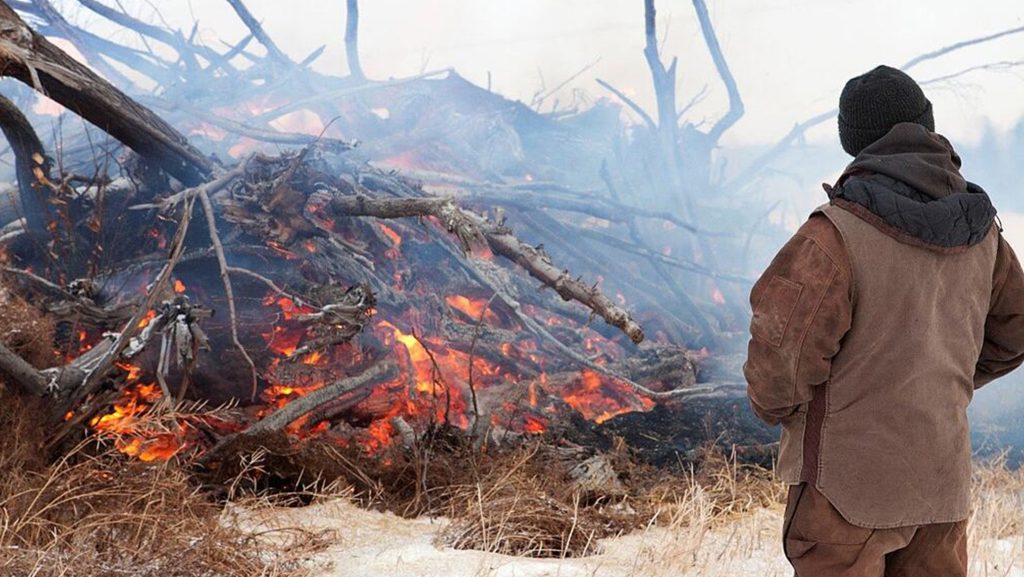
Anyone who conducts winter burning must ensure the fires are safe and under control.
“You are responsible for any fires you ignite outside the wildfire season,” Lovequist says.
“While winter is a safer time for burning due to reduced wildfire risk, it’s still essential to take necessary precautions, such as monitoring the weather to prevent smoke from adversely affecting surrounding areas.”
Peace River FA information officer Tannis McNabb reminds people that fires don’t burn just above ground, especially in dry conditions.
“Dead and dry vegetation is extremely flammable,” McNabb says.
Fires that are not extinguished properly in the winter can smoulder underground for months and re-emerge as wildfires in the spring when the conditions are right.
“We ask Albertans to follow safe burning practices year-round,” says McNabb.
On particularly cold winter days, inversions and other factors can cause smoke from a winter burn to stay close to the ground and travel great distances, Lovequist says.
An inversion happens when cold air is trapped near the ground by a layer of warmer air above it.
Inversions can cause dangerous driving conditions and impact nearby communities.
Before starting to winter burn:
- Winter burns should be conducted in areas with sufficient snow cover of more than 15 cm (six inches) and burns must be monitored the entire time.
- Ensure smoke warnings are in place before burning within a half mile from a roadway.
For more information, on smoke management and to acquire signs, contact the local municipality. For those outside a municipality, contact Alberta Transportation.
When burning in winter:
- Refrain from burning when an inversion is in place or is forecast.
- Consult local municipalities and authorities on how to reduce impacts when undertaking larger winter burning projects near communities or roadways.
- Actively manage burn projects to reduce disposal time and smoke impacts.
- Burning debris in stages will allow you to adapt to changing weather conditions and reduce smoke.
- Monitor weather conditions: lower temperatures and lighter wind speeds can result in stronger inversions. The ideal conditions for burning are typically days with average temperatures and wind speeds over 5 km/h.
While burning:
- Have someone monitor the burn the entire time – if it escapes, immediately report it to 310-FIRE (3473).
- Only burn what you can control with the equipment and people you have available and adjust your burning according to weather conditions.
- Build it right. Brush piles or debris windrows should be free of soil, built to a maximum height of three metres (10 feet) and with a fireguard or cleared land around it to stop the spread of fire.
After you burn:
- Spread the remaining material within the pile and soak with water as required.
- Check the area and ensure both heat and smoke are no longer being produced by the pile – it should be cool to the touch.
- Check your burn site multiple times in the following weeks to ensure it has not reignited.
For more information or questions, phone Lovequist at (780) 849-0945 or McNabb at (780) 617-4851.