




Emily Plihal
Local Journalism
Initiative Reporter
Northern Sunrise County and ALUS are proud to present the ALUS Showcase of Allard Projects on July 30 starting at 10 a.m.
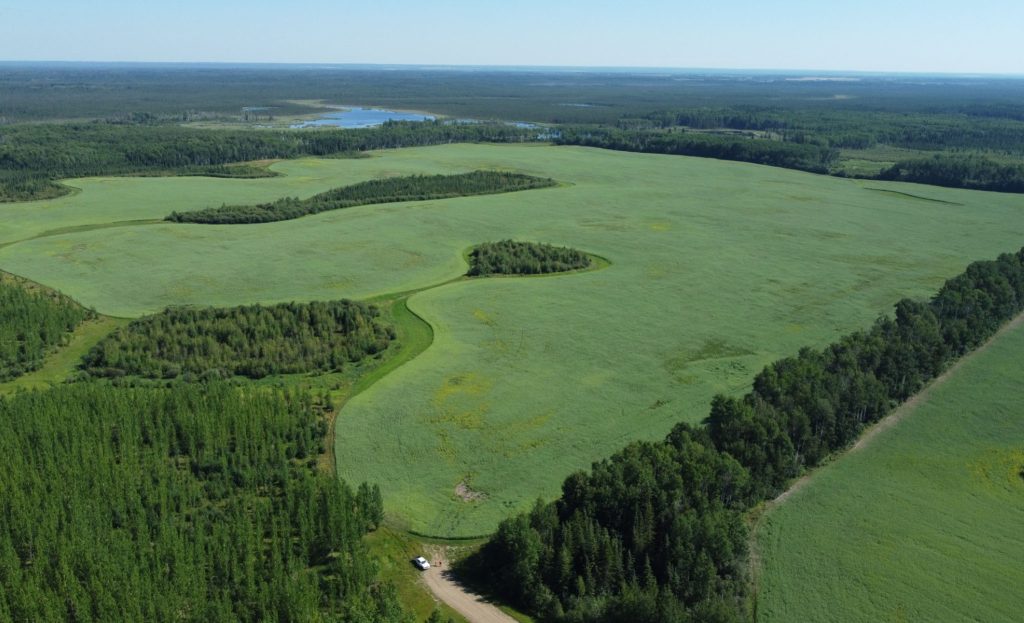
The Allard family of St. Isidore undertook several types of conservation and restoration work on their land as part of the ALUS program – a program that helps landowners restore riparian and other natural areas on their properties.
“Recognizing land stewards like the Allards is crucial for highlighting the importance of their contributions to conservation and sustainable land management,” says environmental program coordinator Katie Bartman.
“By showcasing their work, ALUS and (Northern Sunrise) County acknowledge the dedication, effort, and positive impact these stewards have on the environment.”
The Allards had over 100,000 seedlings of eight different species of native trees and shrubs planted through Tree Canada’s National Greening Program.
“This work helps in reducing soil erosion and improving water quality and storage capabilities, as well as provides habitat for various wildlife species, contributes to carbon sequestration, and enhances the overall biodiversity of the area,” explains Bartman.
“They reconnected lands previously drained for agriculture to enhance water storage, attracting various waterfowl like killdeer, lesser yellowlegs, sandhill cranes, and more.”
The Allards restored wetlands on their land, crucial for water management. These wetlands store floodwaters, replenish groundwater, and purify pollutants.
Their efforts helped to restore a variety of wildlife habitat through the native trees and shrubs planting.
“Additionally, they are planning to install features such as songbird and raptor nesting boxes to enhance habitat opportunities,” says Bartman.
“The Allards also engage in activities to promote pollinator-friendly habitats. Within the project area, there are two locations where honeybees are kept, boosting agricultural productivity.”
Bartman says pollination plays a vital role in sustaining the ecosystem’s health by preserving the plants that serve as the basis of food chains.
The tour will be held from 10 a.m. until 2 p.m. at the project location, approximately 8 km northeast of St. Isidore. Directions and coordinates will be given to registrants closer to the event date.
Bartman also notes that the County’s community van will be available for carpooling from the County administration building. Pickup will be around 9:30 a.m.
“By opening their site to tours, they provide a firsthand look at the tangible benefits of their efforts,” says Bartman.
“This allows visitors to gain a deeper understanding of the practical aspects of land stewardship, the challenges faced, and the rewards reaped. Their excitement and dedication can inspire others to take similar actions on their own land, spreading the positive impact of conservation efforts,” she adds.
The tour is free, and following the site visit there will be a complimentary barbeque and networking time.
Bartman says they are always looking for landowners with marginal land interested in reverting their property into a healthy ecosystem to sign up with the ALUS program. She says the Allards’ land features a diverse array of soil types and ecosystems, making it an excellent showcase for the effectiveness and adaptability of ALUS projects.
“By demonstrating how they have managed to restore and enhance multiple ecosystems on their property, the Allards and ALUS can illustrate the broader applicability and benefits of such initiatives, encouraging more widespread adoption of sustainable land use practices,” she explains.
“The tour provides a unique chance to explore the Allard property, which is open to the public and offers various recreational activities. Participants can enjoy bird watching and the opportunity to observe wildlife in their natural habitat and experience the natural beauty of the area firsthand. “
The guided nature of the tour ensures that participants receive detailed explanations and insights about the different aspects of the project. The Allards removed a full quarter section of their land from production because of its challenging growing conditions. Rocky and sandy soils in the upland parts of the quarter made it difficult to cultivate crops, and the wetland portions had wet and acidic soils.
“By converting this land to conservation use, the Allards can make productive use of areas that would otherwise be unproductive for farming,” says Bartman.
“Additionally, their passion for the project encouraged a neighboring landowner to enroll another 70 acres in the ALUS program.”
The Allards’ conservation efforts also include another 471 acres of their land that they’ve enrolled in the ACA (Alberta Conservation Association) Landowner Habitat Program, which Bartman says is a substantial commitment to habitat preservation.
“Climate change is intensifying the frequency and severity of extreme weather events, including floods and droughts,” explains Bartman.
“Riparian areas, which are the interfaces between land and a wetland, river, or stream, play a crucial role in mitigating these impacts. Reforestation and afforestation efforts help to rebuild ecosystems, combat climate change by absorbing carbon dioxide, and create more resilient landscapes that can better withstand environmental stresses.”
Bartman explains repairing riparian areas and rehabilitating natural areas are essential strategies for addressing environmental challenges, enhancing ecosystem services, and promoting sustainability.
“These efforts contribute to a healthier planet and more resilient communities, capable of thriving in the face of climate change and other environmental pressures,” she says.
Bartman urges any interested participants to attend the tour to learn more about conservation efforts and what is possible on their land.
She notes all ages and levels of familiarity with environmental issues are encouraged to attend.
“The diversity of perspectives and experiences among attendees enriches the learning and networking opportunities, fostering a community united in appreciation for nature and commitment to conservation,” she says.
“For those who may have concerns about physical exertion or mobility limitations, the tour offers an alternative way to participate. Joining for lunch and the subsequent discussion provides an excellent opportunity to engage with others and learn about the project’s achievements, challenges, and future goals.”